Pre-Inspection Facade Repairs in NYC
The cheapest item in a FISP report is the one that never makes it in. We repair loose brick, open joints, rusted lintels, and failed sealant before your inspector’s close-up checks, so the report comes back shorter and with fewer deadlines attached.
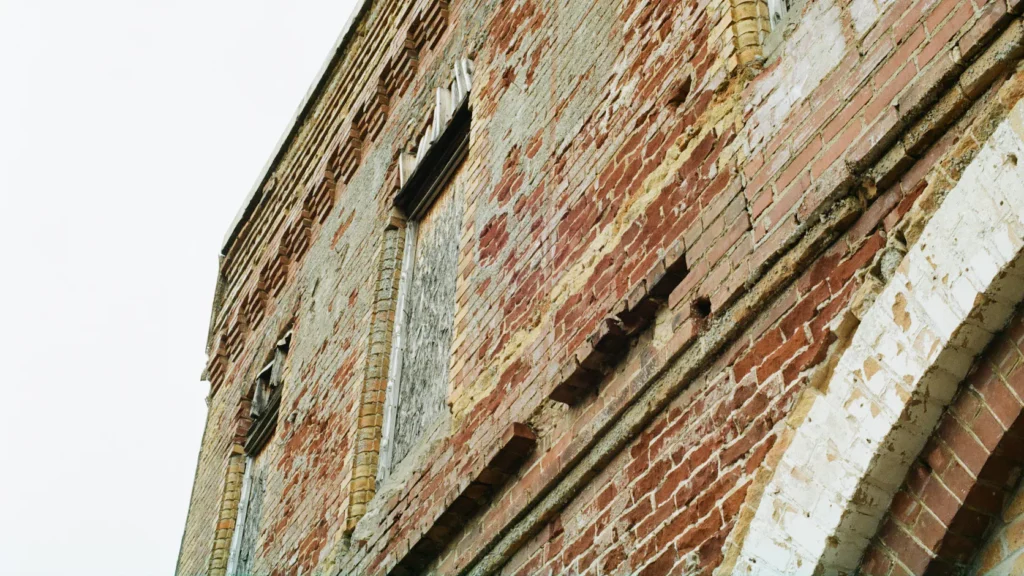
What Are Pre-Inspection Facade Repairs?
Pre-inspection facade repairs are fixes made to a building’s exterior walls before the Qualified Exterior Wall Inspector (QEWI) performs the FISP critical examination. They target the conditions an inspector would otherwise list as SWARMP or Unsafe: cracked brick, eroded mortar, rusted steel lintels, failed sealant, and loose coping stones.
The work doesn’t replace the inspection or hide anything from it. DOB’s facade rule asks the inspector to describe repairs made since the previous report, along with permit and job numbers, so the QEWI sees exactly what was fixed and when. What changes is the starting point. A wall that’s already been repaired gets examined in better shape, and any item rated SWARMP last cycle has to be corrected before this exam, or it comes back as Unsafe.
Have These Ready Before Work Begins
- Your last FISP report and any amended reports, with the SWARMP items marked
- The date your QEWI plans to start the close-up examination
- Any open DOB or ECB violations tied to the facade
- Past repair records: permits, job numbers, and dated photos
- Roof, setback, and neighbor access details for every elevation
Inside a Pre-FISP Facade Repair Job
- Facade walk-down
We survey every elevation from the roof, the street, and the windows, then list what needs work and why.
- Repointing
Eroded and open mortar joints are raked out and refilled with a mortar that suits the wall.
- Brick replacement and crack repair
Loose, cracked, and spalled units are cut out and replaced with brick matched for size and color.
- Lintel repair
Rusted steel lintels are cleaned and coated or replaced, and the brick above them is rebuilt.
- Sealant renewal
Failed caulk at windows, expansion joints, and copings is cut out and replaced.
- Securing attachments
Loose railings, air conditioner brackets, and coping stones are re-anchored or replaced.
Pre-Inspection Mistakes That Backfire
Patching Over Active Cracks
Mortar smeared over a crack caused by a rusting lintel will open again within months. Fix the cause, or the same crack ends up in the report.
Skipping the Permit Check
Scaffolds, sidewalk sheds, and many facade repairs need DOB permits. The inspector records permit and job numbers, so unpermitted work turns into a separate problem.
Leaving Last Cycle's SWARMP Items Open
A SWARMP item that isn't corrected by this exam has to be reported as Unsafe and can draw a DOB penalty. Clear those items first.
Taking the Scaffold Down Too Early
If the rig comes down before the inspector's close-up checks, you may pay to put access back up. Line up both schedules so one setup serves both.
What to Fix Before the Inspector Arrives
These are the conditions we see most often on NYC facades heading into an inspection. Each one costs less to fix on your schedule than on a report deadline.
Loose and Cracked Brick
Units that shift under hand pressure or show stair-step cracks are classic report items. We reset or replace them with brick matched to the wall.
Eroded Mortar Joints
Joints worn back about a quarter inch or more let water into the wall. Repointing with a compatible mortar stops the damage before it reaches the masonry behind the face.
Rusted Steel Lintels
Rust expands and pushes the brick above windows up and out, a pattern masons call rust jacking. Treating or replacing the lintel fixes the cause, not just the crack.
Failed Sealant at Windows and Joints
Split or missing caulk lets water get behind the facade. Fresh sealant is quick work while access is already in place.
Loose Copings and Attachments
Shifting copings, wobbly railings, and rusted AC brackets are falling hazards the inspector has to flag. We re-anchor or replace them. Copings are also checked every year under the parapet rule.
Who Handles What Before the Exam
Swipe sideways to see every column.
| Task | Owner | Inspector (QEWI) | Our Team |
|---|---|---|---|
| Planning | Hires the QEWI and confirms the exam date | Reviews the last report and plans close-up locations | Walks the facade and prices the pre-inspection scope |
| Access | Arranges roof, tenant, and neighbor access | Confirms where the close-up drops will go | Sets up scaffold or rigging and files the permits our work needs |
| Repairs | Approves the scope and schedule | Can point out priority items | Does the masonry, lintel, sealant, and anchoring work |
| Records | Keeps permits and photos on file | Describes repairs since the last report | Hands over dated photos plus permit and job numbers |
Have your last FISP report? Send it and we’ll mark what to fix before the next exam.
What Drives the Price of Pre-Inspection Work
Every facade is priced after a site visit. These five factors move the number most.
- Access method
Pipe scaffold, hanging scaffold, or a boom lift, depending on height and street conditions.
- Facade material
Common brick is easier to match than glazed brick, stone, or terra cotta.
- Open items from the last report
Carry-over SWARMP work adds scope that can't wait.
- Permits and public protection
Scaffold and work permits, plus any sidewalk shed or netting.
- Elevations and setbacks
More walls, courtyards, and setbacks mean more setups.
Next Stage: The FISP Inspection
Once the repairs are done, your QEWI takes over with the close-up examination and the report filing. See how the exam works and how to keep it on schedule.
Questions About Repairs Before a FISP Inspection
Can I make facade repairs before my FISP inspection?
Yes. Nothing in DOB's facade rule stops an owner from repairing the walls before the exam, and it's often the best money spent in the whole cycle. The inspector examines the facade as it stands on exam day and notes what was repaired since the last report.
Will the inspector know the repairs were done?
Yes, and that works in your favor. The report has to describe repairs made since the previous filing, including permit and job numbers, so keep dated photos and paperwork together for your QEWI.
How far ahead of the exam should the work start?
For a typical apartment building, plan on two to four months. Landmarked buildings need more time because facade work usually needs a Landmarks Preservation Commission permit first. The buffer covers permits, weather, and a final walk with your inspector.
Can the repair scaffold be used for the inspector's close-up checks?
Often, yes. DOB prefers close-up checks from a scaffold or other platform, so matching your repair access to the inspector's drop locations can save a second setup. Your QEWI decides whether the locations work.
What happens if the crew finds an Unsafe condition?
It gets made safe right away, and protection goes up if the sidewalk is at risk. An immediate hazard should also be reported to DOB through 311. Your inspector decides how it appears in the report.
Is pre-inspection work worth it if my building was rated Safe last time?
Usually, yes. A Safe rating describes the walls as they were years ago. A quick walk-down shows what has changed, and a small fix now costs far less than a SWARMP item later.
Do pre-inspection repairs replace the FISP inspection?
No. Every covered building still needs the QEWI's critical examination and a filed report. Pre-inspection work changes what the inspector finds, not whether the exam happens.
Get Your Facade Ready for Inspection
Send your last report or a few facade photos, and we’ll map out the pre-inspection work around your exam date.