
Local Law 11 Contractor in NYC
Local Law 11 isn’t a one-time inspection. It’s a loop your building repeats, and every stage has its own deadlines. Our licensed, insured crew handles the repair side, from the fixes you make before the inspector shows up to the work behind your amended report.
- Licensed and insured crew
- Free FISP report review
- 24/7 response to Unsafe conditions
- We work alongside your inspector
What Is NYC Local Law 11?
Local Law 11 is New York City’s facade safety law, now run by the Department of Buildings (DOB) as the Facade Inspection and Safety Program, or FISP. It requires every building taller than six stories to have its exterior walls examined once per filing cycle by a Qualified Exterior Wall Inspector (QEWI), a New York State licensed architect or engineer. The QEWI then files a report that rates each condition Safe, SWARMP, or Unsafe.
The rule began as Local Law 10 of 1980, and Local Law 11 of 1998 widened it from the street side to every side of the building. Fire escapes, railings, balconies, and other attachments count too. Whatever the report finds, the owner has to fix it on DOB’s timeline, and that repair work is what we do.
- Covers buildings over six stories, plus some six-story buildings with a raised cellar
- Close-up checks at least every 60 feet of street-facing wall
- Unsafe conditions must be fixed within 90 days of the report filing
- Missing the filing window costs $5,000 a year, plus $1,000 for each month late
The Local Law 11 Facade Inspection Cycle
Every covered building moves through the same five stages, cycle after cycle. Pick the stage you’re in to see what it involves and how to get through it without losing time.
- 1
Prepare for the Inspection
Fix the problems you already know about before the inspector sees them.
- 2
Inspect the Facade
The QEWI examines the walls up close and files the report with DOB.
- 3
Repair SWARMP and Unsafe Items
Unsafe items run on a 90-day clock, and SWARMP items on the date in the report.
- 4
Close Out the Report
An amended report confirms the work, and the shed can come down.
- 5
Maintain Between Cycles
The parapet gets checked every year, and small fixes stay small.
When Is Your FISP Filing Due?
DOB spreads filings across each cycle using the last digit of your tax block number. Find your digit below to see your window. Your block number is on your property tax bill, and DOB NOW: Safety shows your building’s filing status.
| Last digit of block number | Sub-cycle | Window opens | Filing deadline |
|---|---|---|---|
| 4, 5, 6, or 9 | 10A | Feb 21, 2025 | Feb 21, 2027 |
| 0, 7, or 8 | 10B | Feb 21, 2026 | Feb 21, 2028 |
| 1, 2, or 3 | 10C | Feb 21, 2027 | Feb 21, 2029 |
The report has to reach DOB within 60 days of the inspector finishing the exam, so book the exam well ahead of your deadline. DOB has proposed a longer cycle for the future. Until the rule changes, these windows apply, and we'll update this table if they move.
FISP Report Ratings: Safe, SWARMP, and Unsafe
Every condition in a FISP report gets one of three ratings. Here’s what each one means for you.
Swipe sideways to see every column.
| Safe | SWARMP | Unsafe | |
|---|---|---|---|
| What It Means | No repair needed. The inspector expects the condition to stay safe for the next five years. | Safe With a Repair and Maintenance Program. Safe today, but it needs work within the timeframe the inspector sets, which can't be less than one year. | A hazard to people or property that needs repair now. A SWARMP item left unfixed by the next inspection also becomes Unsafe. |
| What You Must Do | Keep up normal maintenance and the yearly parapet check. | Finish the repairs by the date in the report. The same spot can't be rated SWARMP two cycles in a row, and an item that turns Unsafe carries a $2,000 penalty. | Start repairs right away and finish within 90 days of the filing. DOB can extend that by up to 90 days, but not for budget reasons. Your inspector checks the work within two weeks of completion, then files an amended report. |
| Sidewalk Shed | Not required | Not required | Public protection, usually a shed, goes up immediately and stays until the repair is done and DOB accepts the amended report. |
Ratings, deadlines, and penalties follow DOB's facade rule, 1 RCNY §103-04.
Local Law 11 Services by Cycle Stage
Find the work that matches where your building is right now.
Before the FISP Inspection
- Pre-Inspection Facade RepairsLoose brick, open joints, and rusted lintels fixed before they become report items.
- FISP InspectionScaffold drops, access, and probe openings lined up so your inspector can work.
During FISP Repairs
- FISP RepairsA repair plan built around the deadlines in your report.
- Unsafe Facade RepairFast stabilization, then permanent repairs on the 90-day clock.
- Facade RestorationBrick, stone, terra cotta, cornices, and balconies restored to match.
After Repairs Are Done
- Close-Out and Amended ReportsThe photos and records your inspector needs to file the amended report.
- Sidewalk Shed RemovalThe steps between finished work and an open sidewalk.
Between FISP Cycles
- Facade MaintenanceA yearly plan that keeps the next report short.
- Parapet Observation and RepairThe annual parapet check and the fixes it turns up.
The Annual Parapet Rule for NYC Buildings
Any building with a parapet facing a street or sidewalk needs a parapet observation every year by December 31, whatever its height. Only detached one- and two-family homes are exempt.
The report isn’t filed with DOB, but you have to keep it for six years and produce it if DOB asks.
Why Plan Your Whole FISP Cycle
Treating each stage as its own emergency is where most of the time and money goes. Lining the stages up changes three things.
A Shorter Report
Conditions repaired before the exam are far less likely to come back as SWARMP or Unsafe items with deadlines attached.
Less Time Under a Shed
When the repair crew is lined up before the report is filed, Unsafe work starts in days instead of months.
A Cheaper Next Cycle
SWARMP items cleared on time can't roll over into Unsafe ratings and penalties next time around.
Working With Your QEWI Inspector
FISP keeps the examination separate from the repair work, and so do we. A licensed QEWI examines the facade, rates each condition, and files both the initial and amended reports with DOB. We don’t sign or file FISP reports. Our crew does the repairs those reports call for and gives the inspector what they need to confirm the work.
- Your inspector sets the scope, and we build the repair plan from it
- We schedule scaffold drops, access, and probe openings around their visits
- We hand over dated photos and work records for the amended report
Facade Repair Projects by Cycle Stage
These are the kinds of conditions and repairs we handle at each stage of the cycle.
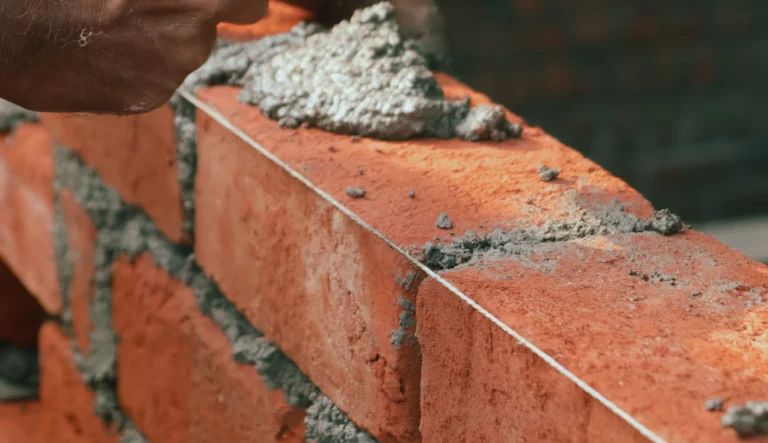
Repointing and Brick Replacement
Typical scope: open mortar joints, cracked brick, and rusted lintels repaired before the scaffold drop, so they don't land in the report.
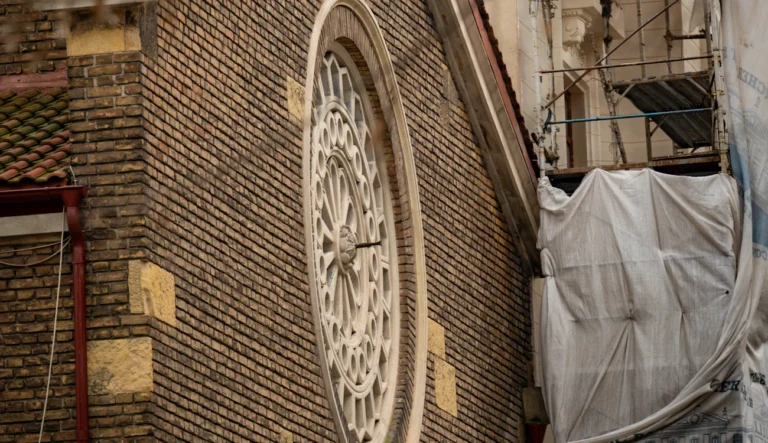
Cornice Stabilization Under a Shed
Typical scope: a loose cornice section secured right away, then rebuilt, with a shed protecting the sidewalk below.
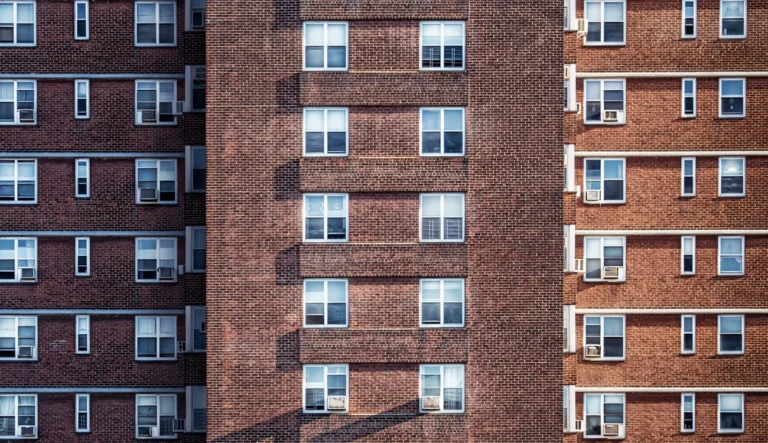
Final Sealant and Cleanup
Typical scope: joints sealed, debris cleared, and the finished work photographed so the inspector can file the amended report.
Local Law 11 Service Areas
Our crews work on apartment buildings, co-ops, condos, and commercial properties in four boroughs. Staten Island isn’t in our service area right now.
Manhattan
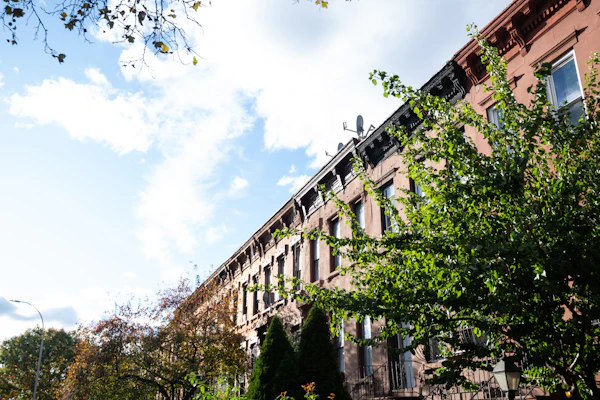
Brooklyn
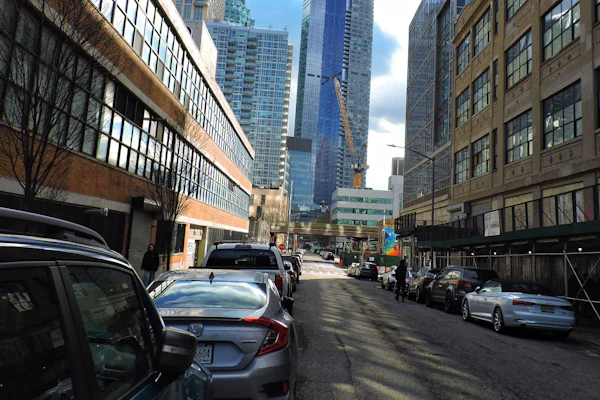
Queens
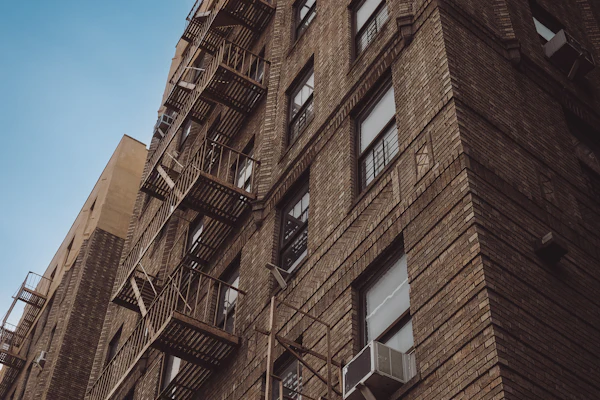
The Bronx
Local Law 11 FAQs for Building Owners
Before the Inspection
Does Local Law 11 apply to my building?
It applies if your building is taller than six stories. A six-story building can also be covered when more than half of its cellar height sits above the ground next to an exterior wall. If you're not sure, look up the building in DOB NOW: Safety, or send us the address and we'll check.
How do I find my building's filing deadline?
Your window depends on the last digit of your tax block number, and the table above lists each one. The report must reach DOB within 60 days of the exam, so the exam itself needs to happen well before the deadline.
Can my contractor do the inspection too?
No. Only a QEWI can examine the facade and sign the report. A contractor can open up walls, provide access, and do the repairs, but the ratings and the filing belong to the inspector.
During Repairs
What happens when a report comes back Unsafe?
The inspector notifies DOB right away, and the owner must put up public protection, usually a sidewalk shed, and start repairs. The work has to be finished within 90 days of the filing unless DOB grants an extension. Our Unsafe Facade Repair page walks through each step.
How long do I have to fix SWARMP conditions?
Until the date your inspector writes in the report, which has to be at least one year out. If the work isn't done by the next inspection, the condition becomes Unsafe and the owner faces a $2,000 penalty.
Do facade repairs need DOB permits?
Most masonry and structural facade work needs a DOB work permit, and sidewalk sheds and supported scaffolds each need their own. Ordinary small repairs may not. We confirm which permits your scope needs before any work starts.
After Repairs
What is an amended FISP report?
It's the follow-up report your inspector files after Unsafe conditions are repaired. The inspector has to check the work within two weeks of completion, and once DOB accepts the amended report, the building's status changes. It's the document that lets the shed come down.
When can the sidewalk shed come down?
Once the Unsafe conditions are repaired and DOB accepts the amended report. Shed permits now expire every 90 days, so a shed left standing after the work is done keeps costing money.
What should I do between inspections?
Complete the annual parapet observation, finish SWARMP items before their dates, and keep the FISP Conditions Certificate posted in the lobby. A short walk-around each year catches small problems before they become report items.